



Reduce Noise & Boost Life: Anti-vibration Mounts for Electric Motors
Electric motors serve as the primary drivers and the foundation for countless mechanical operations. They are ubiquitous, powering everything from small household appliances to heavy-duty industrial drives. Fundamentally, these motors transform electrical energy into mechanical energy, typically in the form of rotational motion. This process provides power to fans, pumps, conveyors, EV drivetrains, and most equipment featuring moving components.
While they deliver rotational power, they also generate vibration and noise that can ripple through the structure they sit on. Left unchecked, that vibration doesn’t just rattle ears—it can weaken parts, shorten equipment life, and make workspaces far less pleasant. The solution? Anti-vibration mounts, a simple component with outsized impact.

Anti-Vibration Mounts and How They Work
Anti-vibration mounts, often rubber or rubber-to-metal bonded components, sit between an electric motor and its support surface. These help absorb and isolate the oscillations that motors naturally produce. Mounts help stop vibrations from traveling into floors, frameworks, or connected machinery, reducing structural stress and noise.
Anti-vibration mounts work like shock absorbers. They cushion the electric motor’s movements, dampen oscillations, and significantly reduce the energy that would otherwise travel into foundations, building frames, or connected equipment. Combined with metal components for structural support, these mounts offer both resilience and reliable attachment points.
 Vibration Isolators 1" x 3/4" | Natural Rubber
$2.59
Vibration Isolators 1" x 3/4" | Natural Rubber
$2.59
 Rubber Vibration Mount 1" x 1/2" | Natural Rubber
$2.79
Rubber Vibration Mount 1" x 1/2" | Natural Rubber
$2.79
 Vibration Isolators 3 1/8" x 3" | Natural Rubber
$29.99
Vibration Isolators 3 1/8" x 3" | Natural Rubber
$29.99
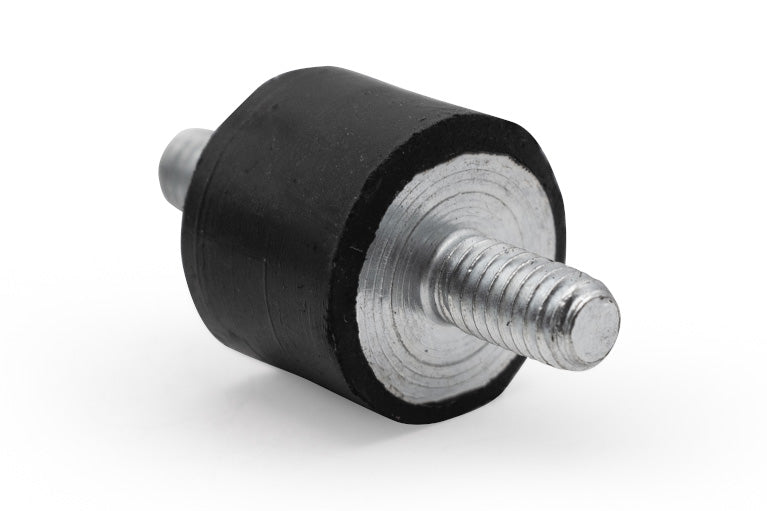 Vibration Isolators 2" x 3/4" | Natural Rubber
$4.79
Vibration Isolators 2" x 3/4" | Natural Rubber
$4.79
 Rubber Vibration Isolator Mounts 9/16" x 1/2" | Natural Rubber
$2.79
Vibration Isolation Mount - 2 Studed
$2.59
Rubber Vibration Isolator Mounts 9/16" x 1/2" | Natural Rubber
$2.79
Vibration Isolation Mount - 2 Studed
$2.59
 Vibration Isolators 1" x 1" | Natural Rubber
$3.79
Vibration Isolators 1" x 1" | Natural Rubber
$3.79
 Vibration Isolator 1" x 3/8" | Neoprene
$3.29
Vibration Isolator 1" x 3/8" | Neoprene
$3.29
 Vibration Isolation Feet 1.29" x 1 3/8" | Natural Rubber
$3.79
Vibration Isolation Feet 1.29" x 1 3/8" | Natural Rubber
$3.79
 Isolation Rubber Mounts
$3.79
Isolation Rubber Mounts
$3.79
 Vibration Isolators 3" x 2 1/4" | Natural Rubber
$19.99
Vibration Isolators 3" x 2 1/4" | Natural Rubber
$19.99
 Vibration Isolators 1 1/2" x 1" | Natural Rubber
$3.79
Vibration Isolators 1 1/2" x 1" | Natural Rubber
$3.79
Types of Anti-Vibration Mounts for Electric Motors
Not all mounts are the same. Different applications call for different mount designs based on load, vibration frequency, and installation constraints. Some of the most common types include:
- Vibration Isolators: There are two types of isolators—active (reduces noise transmitted outward from the machine) and passive (reduces vibration traveling to the machine from an external source). These are commonly used in food and pharmaceutical processing, HVAC systems, fans, and power generators.
- Rubber Vibration Mounts: Common in the automotive and marine industries and often found in engines and generators. Rubber vibration mounts provide vibration isolation in three directions and offer high resistance to grease and oil.
- Wire Rope Mounts: Corrosion-resistant mounts made from stainless steel, designed to withstand tough environments. They isolate shock and vibration from all directions and are resilient, which makes them a fit for military use.
- Conical Mounts: Suited for both shear and compression loadings, featuring a failsafe and high-load capacity. Often used in automotive, commercial, and marine applications.
- Machine Feet: Widely used in renewable energy, power generation, agriculture, and forestry due to their ability to reduce vibrations while dampening shock loads, with options for rebound control and different rubber hardnesses to suit the application.
 |

|
 |
Choosing the Right Anti-Vibration Mounts and Their Benefits
Selecting the right anti-vibration mounts for electric motors isn’t a one-size-fits-all decision. Key factors include motor weight, operating speed (RPM), vibration characteristics, mounting orientation, and the environment where the motor operates. Properly matched mounts improve performance, reduce noise, and lower maintenance demands—while poorly chosen mounts can limit isolation or introduce new stability issues.
Anti-vibration mounts for electric motors deliver real-world benefits by reducing noise at the source and minimizing buzzing and resonance that travel through floors and walls. They can also extend equipment life by lowering mechanical stress, preventing loose components, and reducing maintenance needs. Proper mounting improves motor stability and alignment, which boosts performance and protects connected parts like belts and gearboxes from premature wear. At the same time, lower vibration and noise create a safer, more comfortable, and more compliant work environment—supporting both productivity and worker well-being.
Why Bother Getting One?
Anti-vibration mounts may look simple, but they play a crucial role in protecting electric motors and the systems they drive. From quieter operations to longer machine life and happier teams, the right vibration isolation strategy pays off quickly. Whether you’re retrofitting existing equipment or designing a new setup, investing in quality anti-vibration mounts is one of the smartest moves you can make.
Contact our team and we’ll be happy to help you choose what fits your needs.